Modern IT landscapes require security structures that are both robust from a regulatory perspective and operationally effective. We connect governance, security architecture, and operations, from maturity assessments to modern security architectures and 24/7 detection and response. AI-driven threat intelligence identifies risks at an early stage.
Cybersecurity
-
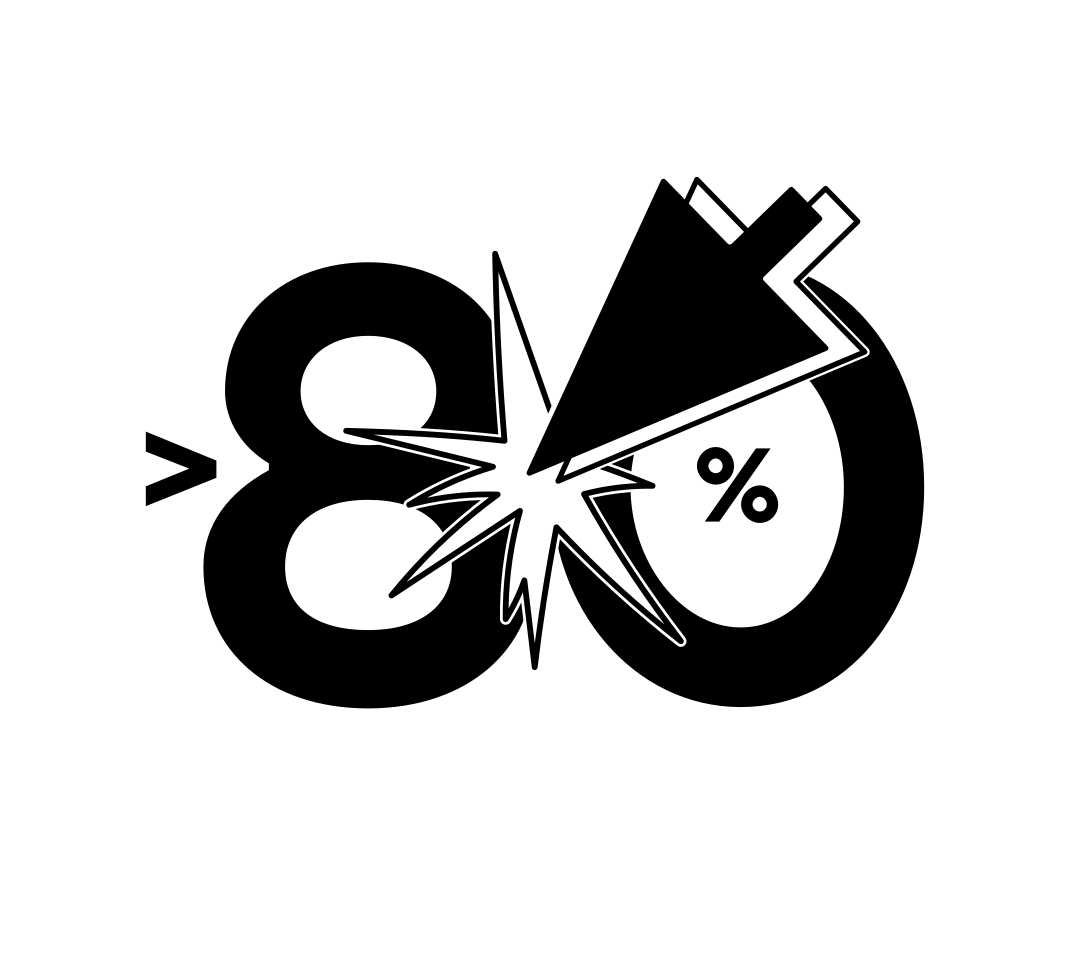
More Than 80% of German Companies Are Affected by Cyberattacks Each Year, According to the BSI
-
Cyberattacks Do Not Follow Business Hours – Security Must Work At All Times
-
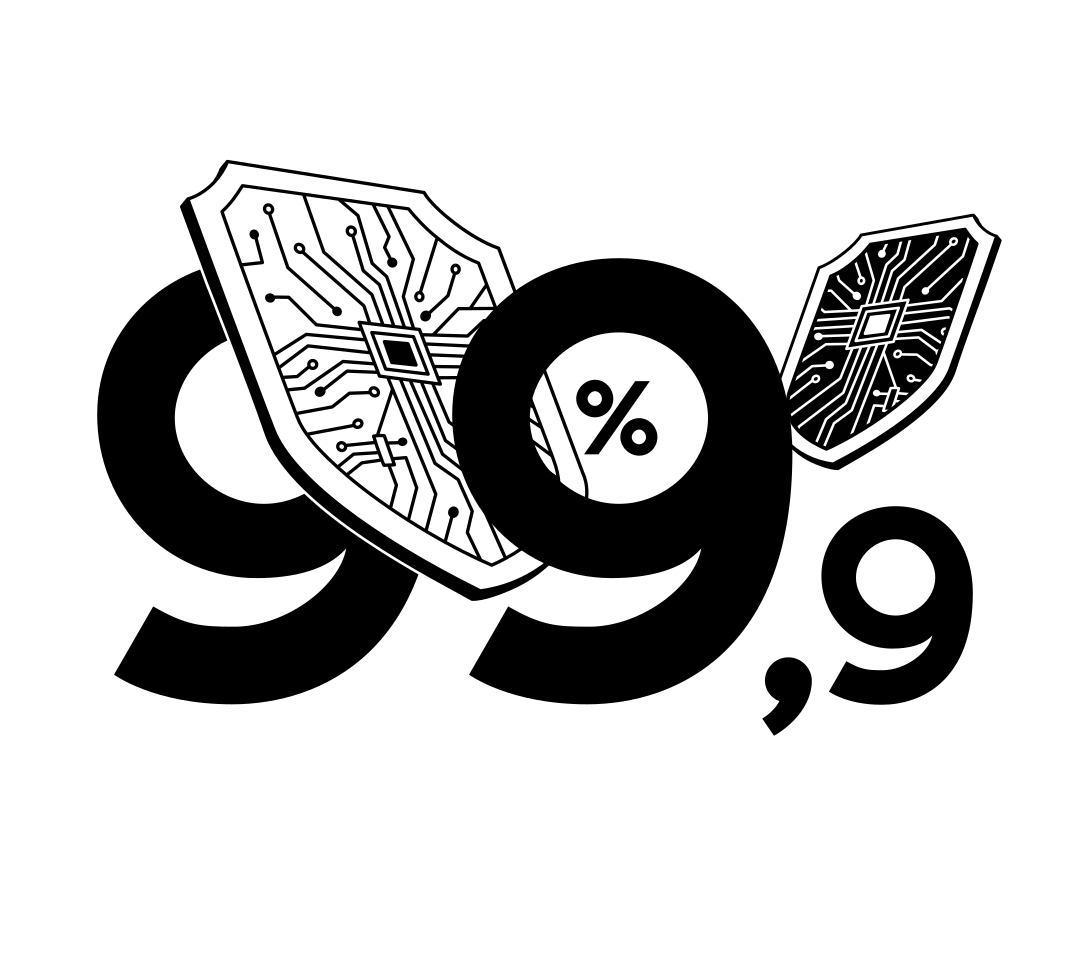
99.9% of All Vulnerabilities Can Be Identified And Resolved With AI Driven Security Scans
Strong Partnerships















Key Facts
-

BCM
We safeguard critical business processes even in crisis scenarios, with clear contingency plans, aligned recovery strategies, and end to end processes across IT and the organization.
-

24/7 Support
Our Security Operations Centers operate in shift and on call models. This ensures continuous 24/7 second level support, with optional extension to third level if needed.
-

Digital Sovereignty
Digital sovereignty is an architectural decision. We design cloud and platform solutions with a focus on data control, regulatory requirements, and manageable dependencies.
-

Supply Chain Security
Supply chain security is a key factor in digital resilience. We assess dependencies across suppliers and systems and implement measures to ensure transparency, control, and stability.
-

NIS2 and DORA
New requirements, clear deadlines, increasing responsibility. We translate regulatory requirements into implementable structures that are robust both organizationally and technically.
-

AI and LLM Governance
Whether using standard models or custom developments, we support the architecture and governance of AI systems, GDPR compliant, transparent, and securely integrated.
-

Post Quantum Cryptography
We identify early where current encryption may become vulnerable and develop migration paths before technological or regulatory pressure arises.
-

Pentesting
More than an audit. We simulate real attacks, make risks visible, and derive concrete measures that measurably improve security.
Powerful Knowledge
-

Sovereign Cloud for Critical Infrastructure Companies
How secure must a cloud be for critical infrastructure? A strategy for a transmission system operator.Read the Success Story Sovereign Cloud for Critical Infrastructure Companies
-

Business Critical Systems Move to the Cloud
We migrate an application environment to the cloud for SEFE Storage GmbH and ensure smooth operation.Read the Success Story Business Critical Systems Move to the Cloud
-

Rathaus goes Cloud
We are building digital services for selected communes and communities in Germany - in the cloud.Read the Success Story Rathaus goes Cloud
Get in Touch
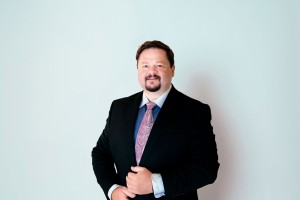
Mark Goffart
Senior Director
+49 351 320235-99

Questions? Let’s Answer Them.
Cyberattacks today come from a range of actors, including organized cybercrime groups, state backed actors, and opportunistic individuals. Motives are often financial, such as extortion or data theft. In regulated industries, espionage and sabotage also play a role.
Usually not targeted, but automated. Attackers continuously scan the internet for open ports, vulnerabilities, or compromised credentials. Visible cloud resources, outdated systems, or insecure third parties increase the likelihood.
Typical signs include long release cycles, high maintenance costs, technology dependencies such as vendor lock in, missing interfaces, or security risks. If new requirements are difficult to implement or developers struggle with outdated systems, action is needed.
In principle, all of them. However, critical infrastructure operators, financial institutions, industrial companies, energy providers, and organizations handling sensitive data or requiring high availability are particularly targeted. Small and medium sized businesses are also frequently affected due to fewer protection mechanisms.
The most common include ransomware, phishing, identity theft, supply chain attacks, and advanced persistent threats. Insider threats and misconfigurations also play a major role. Technically, attacks range from malware to complex multi stage scenarios.
We combine governance, security architecture, and security operations into an integrated security model. This includes regulatory assessment, technical protection, 24/7 monitoring, and continuous improvement. The goal is not only prevention but also the ability to act effectively in critical situations.
Stay calm and act in a structured way. Do not shut down systems uncoordinated. Instead isolate affected systems and secure evidence. We support incident response, containment, forensics, and regulatory reporting.
We use AI driven threat intelligence and anomaly detection systems to identify patterns faster and reduce false positives. This allows attacks to be prioritized early and investigated more effectively. AI supports the analysis, while final evaluation remains with experts.
A 24/7 SOC continuously monitors systems, including nights, weekends, and holidays. Security alerts are analyzed, assessed, and escalated if necessary. On call support ensures that designated contacts can be activated immediately in critical situations.
We follow clearly defined incident response processes: identification, containment, analysis, and recovery. We work closely with IT, management, and, if necessary, authorities. The goal is to limit damage and stabilize operations quickly.
Cyberattacks do not follow business hours. That is why our monitoring and response processes run continuously. Critical incidents are handled regardless of timing.
This depends on industry, size, and role in the supply chain. Relevant frameworks include NIS2, DORA, critical infrastructure regulations, and sector specific security requirements. Individual assessment is essential.
NIS2 is an EU directive to strengthen cybersecurity in critical and important entities. It introduces stricter requirements for risk management, reporting obligations, and management accountability. In Germany, it is implemented through national legislation.
DORA, the Digital Operational Resilience Act, is an EU regulation for the financial sector. It covers IT risk management, reporting obligations, resilience testing, and oversight of ICT third party providers. The goal is to ensure the stability of digital financial systems.
Penetration testing simulates real attacks on IT systems, applications, or networks. The goal is to identify exploitable vulnerabilities before attackers can use them. The results lead to concrete security improvements.
Physical pentesting evaluates the physical security of a location. This includes access controls, social engineering scenarios, and attempts to gain unauthorized access to buildings or server rooms. The goal is realistic testing under controlled conditions.
Future quantum computers could break current encryption methods. Post quantum cryptography develops algorithms that remain secure against such threats. Early planning is especially important for data that must be protected long term.
AI systems often process sensitive data and can introduce new attack surfaces, such as prompt injection or data leakage. Training data, models, and interfaces must be secured. Security is therefore an integral part of any AI strategy.
Let's talk!
Contact