Legacy and core modernization, data and AI, and increasing regulation mean insurers need technology that grows with them instead of holding them back. We align IT landscapes to support growth, keep complexity manageable, and ensure innovation does not come at the expense of stability.
Let's chat!
ContactShaping the future of Insurance




-

90 % of insurers see data and AI platforms as the core of digital transformation
-
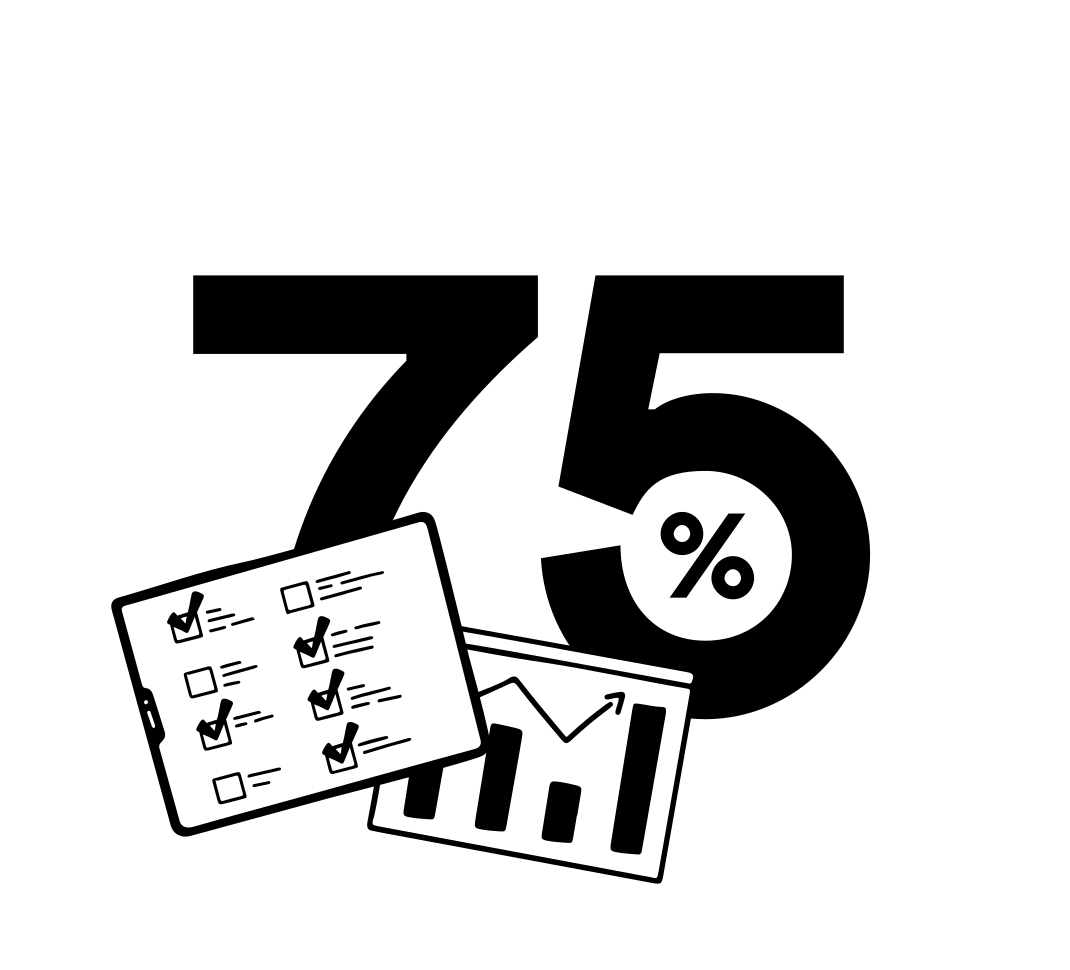
75 % plan to modernize or replace their core systems
-
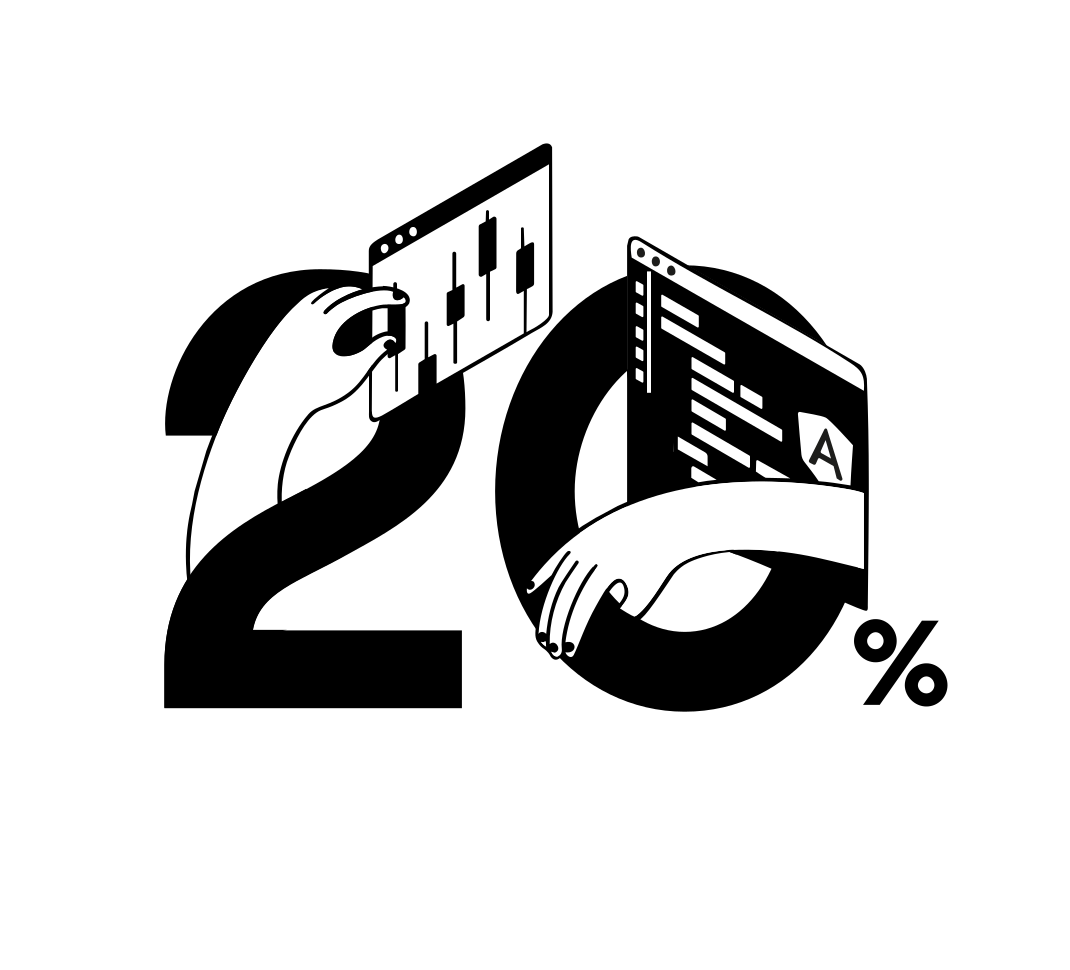
Up to 20 % in cost savings is achievable through automation and data-driven processes
What we do…
-

AI-Driven Legacy Migration for Real Garant
How Exxeta modernised 1.6 million lines of legacy code using AI in under 18 months.
-

IT Modernization at INTER Insurance Group
We worked with INTER to transform a complex legacy IT landscape into a future ready architecture.
-

The New Health Touchpoint for R+V Krankenversicherung
We are developing an app that combines health services in a simple and clear way.
Our Superpowers
-

Data and AI platforms for insurers
-

Modernizing legacy systems
-

Cloud transformation for insurance
-

Thoughtfully designed digital applications
-

End to end delivery in insurance operations


Said. Done. Delivered. Here is what our customers say.

-

Looking for more insights? Head over to our blog.
Discover more Looking for more insights? Head over to our blog.
Let's talk!

Peer Becker
Partner
+49 162 2723930

FAQs
IT transformation in insurance involves modernizing IT landscapes, processes, and operating models. The goal is to replace legacy systems, increase efficiency, and position insurers technologically so they can sustainably run digital services, data platforms, and AI applications.
Many insurers still rely on core systems built on COBOL, RPG, or heavily customized legacy applications. These systems are often expensive to maintain, difficult to adapt, and slow down innovation. Gradual modernization or replacement creates the foundation for cloud adoption, automation, and advanced data and AI capabilities.
Artificial intelligence is a core driver of digital transformation in insurance. It supports process automation, claims handling, fraud detection, risk assessment, and personalized customer services. Successful AI adoption requires high-quality data, robust platforms, and clear governance structures.
Data and AI platforms consolidate information from various upstream systems and make it available for analytics, machine learning, and AI use cases. For insurers, they form the technological backbone for data-driven decision making, automation, and new digital business models, while meeting regulatory requirements.
Insurers can adopt cloud technologies securely by choosing the right models, such as hybrid or sovereign cloud, and by addressing security and compliance requirements from the outset. Key factors include data protection, resilience, clearly defined responsibilities, and DevSecOps practices that embed security throughout the lifecycle.
Exxeta supports insurers across the entire value chain, from legacy modernization and cloud transformation to building data and AI platforms. The focus is on creating more efficient processes, stable IT landscapes, and sustainable business impact.