Digital sovereignty determines how independent and capable IT truly is within organizations, from cloud dependencies to data control. We create transparency around dependencies and develop strategies to build resilient IT ecosystems.
Digital Sovereignty

-

96 % of Companies Expect Digital Sovereignty to Become Significantly More Relevant Over the Next Three Years
-
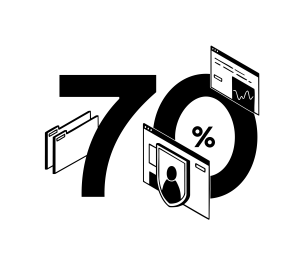
70 % Have Already Received Requests from External Stakeholders to Demonstrate Digital Sovereignty
-

Only One in Two Companies has Clearly Defined Responsibilities for Digital Sovereignty
-
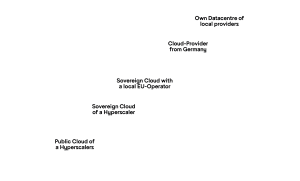
Digital Sovereignty Is Strategic Control

-

Enablement
We empower teams to use cloud services securely, efficiently, and in compliance with regulations.
-
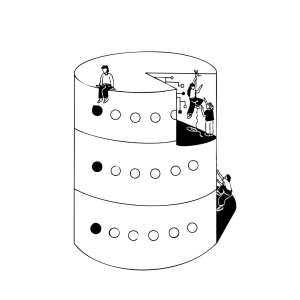
Migration and Operations
We migrate systems in line with the defined exit strategy, with a strong focus on operational stability, and can operate them, including 24/7 security.
-

Security
We integrate security concepts, zero trust principles, and access controls into the architecture so that compliance and operational capability work together.
-

Data and AI Resilience
We establish control over data flows, model access, and training foundations.
-

Cloud and Exit Strategies
We design robust exit options and multi cloud systems that enable real freedom of choice. We prioritize the use of open source solutions.
-

Sovereignty Assessment
We assess IT landscapes for dependencies, exit readiness, regulatory risks, and architectural bottlenecks.


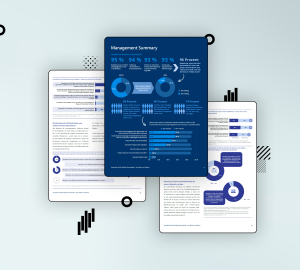
Lünendonk Study on Digital Sovereignty
Why We Are the Right Partner
-

Tailored Solutions
Digital sovereignty is not one size fits all. We design architectures and operating models that align with regulatory requirements, dependencies, and strategic goals.
-

Technology-Agnostic Partnerships
As an independent partner, we work with providers such as StackIT, Delos, IONOS, as well as Microsoft and AWS within European operating models. This allows us to combine global scalability with sovereign options tailored to strategic requirements.
-

Industry Expertise and Technical Excellence
Our experts understand not only the technology but also the industries they operate in. This enables us to develop solutions that truly meet our customers’ needs.
-

Regulatory Assurance
Sovereignty also means actively managing legal frameworks. We embed regulatory requirements and create a solid foundation for long term investment decisions.
Powerful Knowledge
-

Release Engineering for the Financial World
A modular, automated release engineering platform that connects technology and compliance standards.Read the Success Story Release Engineering for the Financial World
-

AI Mail Bot for Transdev Sales
How we worked with Transdev Sales to automate customer service and boost customer satisfaction.Read the Success Story AI Mail Bot for Transdev Sales
-

Sovereign Cloud for Critical Infrastructure Companies
How secure must a cloud be for critical infrastructure? A strategy for a transmission system operator.Read the Success Story Sovereign Cloud for Critical Infrastructure Companies


FAQ
Digital sovereignty describes the ability to make independent decisions about technologies, data, and vendor relationships. This includes the freedom to choose and switch cloud providers, transparency over data flows, and clear governance and decision structures. The goal is to remain capable of acting in the long term.
Data sovereignty refers to control over the storage, access, and processing of data. Cloud sovereignty focuses on infrastructure, platforms, and vendor dependencies. Digital sovereignty goes beyond that. It includes data, infrastructure, software and AI, capabilities, as well as governance and regulatory frameworks.
No. Data location is only one component. What matters are access rights, contractual models, exit strategies, interoperability, and the ability to switch providers. Sovereignty comes from structural freedom of choice, not just data localization.
Vendor lock-in leads to limited flexibility, rising costs, and reduced ability to innovate. Proprietary interfaces, lack of portability, and unclear contractual terms increase this dependency. A clear architecture and sourcing strategy reduces this risk.
Regulatory requirements directly impact architecture, security, and operating models. Addressing compliance only afterward increases effort and risk. Digital sovereignty means considering regulatory requirements already in the design of platforms and processes.
A sovereign cloud provides transparency over data processing, clear access controls, traceable governance structures, and realistic exit options. It is based on open standards, interoperability, and contractually defined switching options.
The use of AI systems creates new dependencies, for example through proprietary models, training data, or platforms. AI sovereignty means having transparency over models and data sources, ensuring auditability, and being able to evaluate alternatives.
The first step is transparency over existing dependencies in architecture, data, software, and contracts. Based on this, target states, exit options, and concrete measures can be defined. What matters is an integrated approach that brings together technology, organization, and regulation.